Source Handmade Natural Wood Writing Board for Office, Art, and Gifts
Explore 30 options for a handmade natural wood writing board suitable for office organization, artistic display, and corporate gifting. Compare specifications like size, finish, and customization to find the ideal supplier for your business needs; compare the available evidence and request quotations based on your requirements.
Key considerations
Products List








Comprehensive Sourcing Guide
Handmade Natural Wood Writing Board Sourcing Guide
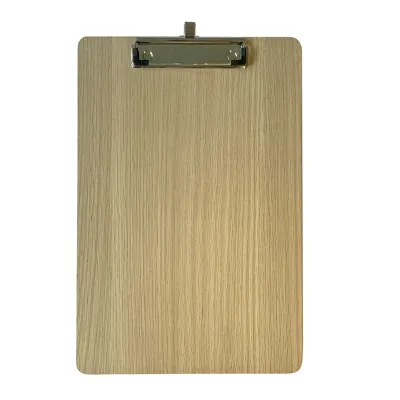
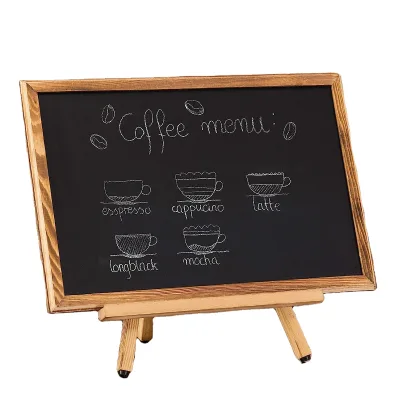
Buyers evaluating handmade natural wood writing boards must first distinguish between functional office tools and decorative display items, as the supply chain often blends these categories. The observed market data indicates products serving dual purposes, such as menu clip boards for restaurants or writing boards for office folders, alongside items explicitly marketed for wedding decorations and holiday gifts. This overlap requires careful specification of the intended end-use to ensure the selected supplier focuses on the correct manufacturing niche rather than a generic wood product line.
Procurement teams should also scrutinize the specific timber and finish attributes listed in product descriptions, as variations like pine wood boxes versus solid hardwood significantly impact durability and aesthetic appeal. The presence of terms like "polished," "cutting," and "handmade" suggests a labor-intensive process that may result in irregular shapes or unique grain patterns, which is desirable for folk art or antique styles but requires strict quality control for uniform business office applications.
Product Scope and Observed Listing Signals
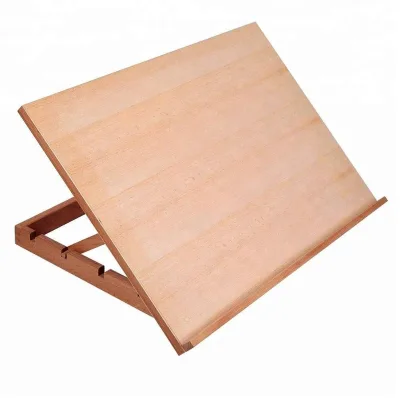
The current market listing signals reveal a wide spectrum of product types ranging from low-profile clips to standing easels, often described with keywords like "writing plate clip" or "memo clip holder." Buyers must verify if the product is designed as a rigid clipboard for business use or a flexible writing surface for artistic purposes, as the structural integrity required for a conference clipboard differs vastly from that of a decorative tabletop display. The observed data includes specific model numbers and single package sizes, indicating that some suppliers offer standardized SKUs while others provide fully customized dimensions for specific branding needs.
Color and finish options further complicate the scope, with listings showing everything from natural wooden colors and varnish to specific Pantone shades and champagne finishes. This variability suggests that buyers should not assume a standard natural wood appearance unless explicitly confirmed, as the "handmade" label often implies custom staining or painting capabilities that can alter the material's natural character. Understanding these visual signals is critical for aligning the product with the buyer's brand identity, whether for a modern office setting or a rustic home decoration theme.
Technical Specifications to Verify
Technical verification must begin with the material composition, as the supply data explicitly mentions both "pine wood box" and "solid wood" as primary inputs. Buyers need to confirm the specific wood species and density to ensure the board can withstand repeated use without warping, especially for applications involving heavy paper loads or frequent handling in business environments. The distinction between a simple wooden box and a solid wood clipboard is significant, as the latter offers superior structural stability and a more premium feel essential for high-end corporate gifts or professional stationery.
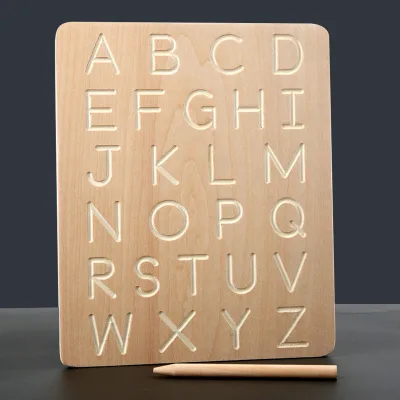
Dimensional accuracy and shape consistency are equally critical, given the observed range from rectangular forms to irregular, customized letter fonts. Specifications such as A4, A5, or legal sizes must be validated against the actual product to ensure compatibility with standard document formats, while the "customized sizes" attribute requires a clear tolerance level to prevent fitment issues. Additionally, the finishing technique, whether polished or cut, directly affects the tactile experience and safety of the edges, necessitating a physical sample review to confirm the smoothness and absence of splinters before bulk ordering.
Compliance and Safety Documentation
Safety compliance for wooden writing boards primarily hinges on the chemical treatments used for polishing and varnishing, which must be verified against international standards for heavy metals and volatile organic compounds. Since the products are often used in close proximity to food, such as in restaurant menu applications, or by children in educational settings, buyers must request documentation confirming that the finishes are non-toxic and safe for general consumer use. The absence of specific certification names in the provided data means that buyers cannot assume compliance and must explicitly ask for test reports from accredited laboratories.
Furthermore, the "handmade" and "cutting" processes introduce potential physical safety risks if the edges are not properly finished or if the wood contains hidden defects. Buyers should require evidence of quality control procedures that inspect for sharp edges, loose joints, or structural weaknesses that could lead to breakage during use. For products intended as business gifts or souvenirs, ensuring that the packaging and the product itself meet the safety expectations of the target market is essential to avoid liability issues and maintain brand reputation.
Cost Drivers and Commercial Terms
The cost structure for these items is heavily influenced by the labor intensity of the "handmade" and "cutting" processes, which often results in higher unit prices compared to mass-produced plastic alternatives. The observed MOQ of 1000 pieces suggests that suppliers are targeting bulk commercial buyers rather than small retailers, and the price range of 0.1 to 790 USD reflects the vast difference between simple wooden clips and complex, customized, or branded writing boards. Buyers must understand that lower prices may correlate with reduced craftsmanship or the use of lower-grade timber, while premium pricing often includes custom branding, specialized finishes, and higher quality control standards.
Commercial terms such as the FOB location in Qingdao and the sample time of 5-7 days are critical factors in the total landed cost and project timeline. The single gross weight of 2.000 kg per unit impacts shipping logistics, particularly for air freight, and buyers should calculate these freight costs into their budgeting rather than relying solely on the unit price. Additionally, the availability of OEM/ODM services for hardwood clipboards implies that customization costs will be added to the base price, requiring a clear agreement on who bears the cost of tooling and design adjustments.
Supplier Qualification and Quality Control
Supplier qualification should focus on their ability to maintain consistency in "handmade" production, as the variability inherent in natural wood and manual finishing can lead to significant batch-to-batch differences. Buyers must verify the supplier's experience with specific techniques like polishing and cutting, and request references from clients who have ordered similar items for business gifts or office stationery. The presence of multiple origin locations, such as Guangdong and Shandong, indicates a competitive market, but buyers should prioritize suppliers with a proven track record in exporting wooden stationery to ensure they understand international shipping and documentation requirements.
Quality control protocols must be rigorous, specifically addressing the "irregular" shapes and "custom" sizes that are common in this category. A robust QC plan should include random sampling to check for dimensional accuracy, finish quality, and structural integrity, ensuring that the final product matches the approved sample. Given the "reusable" feature claimed for many items, testing the durability of the clip mechanism and the resistance of the wood to wear and tear is essential to prevent premature failure and customer dissatisfaction.
Long-Term Procurement Checks
Long-term procurement success depends on establishing a reliable supply chain that can consistently deliver on the "customized sizes" and "OEM/ODM" promises made during the initial order. Buyers should implement a periodic review process to assess the supplier's ability to maintain quality standards over time, especially as production volumes increase or as the supplier attempts to reduce costs. The "sample time" of 5-7 days is a good indicator of responsiveness, but long-term partners must demonstrate the capacity to scale production without compromising the "handmade" quality that defines the product's value proposition.
Finally, buyers must monitor the market for changes in material availability and pricing, as the reliance on "solid wood" and "pine wood" makes the supply chain vulnerable to fluctuations in timber costs and environmental regulations. Establishing a clear communication channel for updates on lead times, material substitutions, and potential disruptions is vital for maintaining business continuity. Regular audits of the supplier's production facilities and quality records will help ensure that the long-term partnership remains aligned with the buyer's expectations for durability, aesthetics, and safety.
FAQs
What materials are used for handmade natural wood writing boards?
These boards are crafted from solid wood, often featuring pine wood boxes or hardwood finishes. The material provides a durable and natural aesthetic suitable for various applications. The surface is typically polished to ensure a smooth writing experience. This construction supports both functional use and decorative purposes in office or home settings.
Can I customize the size of a wooden clipboard?
Yes, customized sizes are available for these writing boards. Buyers can request specific dimensions such as A4, A5, or legal sizes to meet their needs. The product supports OEM and ODM services for tailored specifications. This flexibility allows for precise integration into existing workflows or unique design requirements for special projects.
What is the typical MOQ for wooden clipboard orders?
The minimum order quantity is generally 1000 pieces for standard orders. Some listings indicate a range from 5 to 5000 pieces depending on the supplier. This MOQ ensures efficient production runs for customized or bulk purchases. Buyers should verify specific requirements with manufacturers to align with their inventory and distribution plans.
Where are these wooden writing boards manufactured?
Manufacturing origins include Guangdong and Shandong provinces in China. These regions are known for their woodworking capabilities and supply chain efficiency. The products are exported globally from ports like Qingdao. Buyers can expect consistent quality and reliable logistics from these established manufacturing hubs in China.
What are the common applications for these boards?
These boards serve multiple purposes including business office use, conference notes, and restaurant menus. They are also used for wedding decorations, holiday gifts, and home decor. The versatile design supports both functional writing and aesthetic display. This adaptability makes them suitable for diverse commercial and personal applications.
How is the surface finish of the wooden board?
The surface is typically polished to achieve a smooth and refined texture. Some variants feature a varnish or wooden color finish for protection. The technique ensures durability and ease of cleaning. This finish enhances the natural grain of the wood while providing a professional appearance for business or decorative use.